
Mikko Never Dies
Anniina Hetesuo |


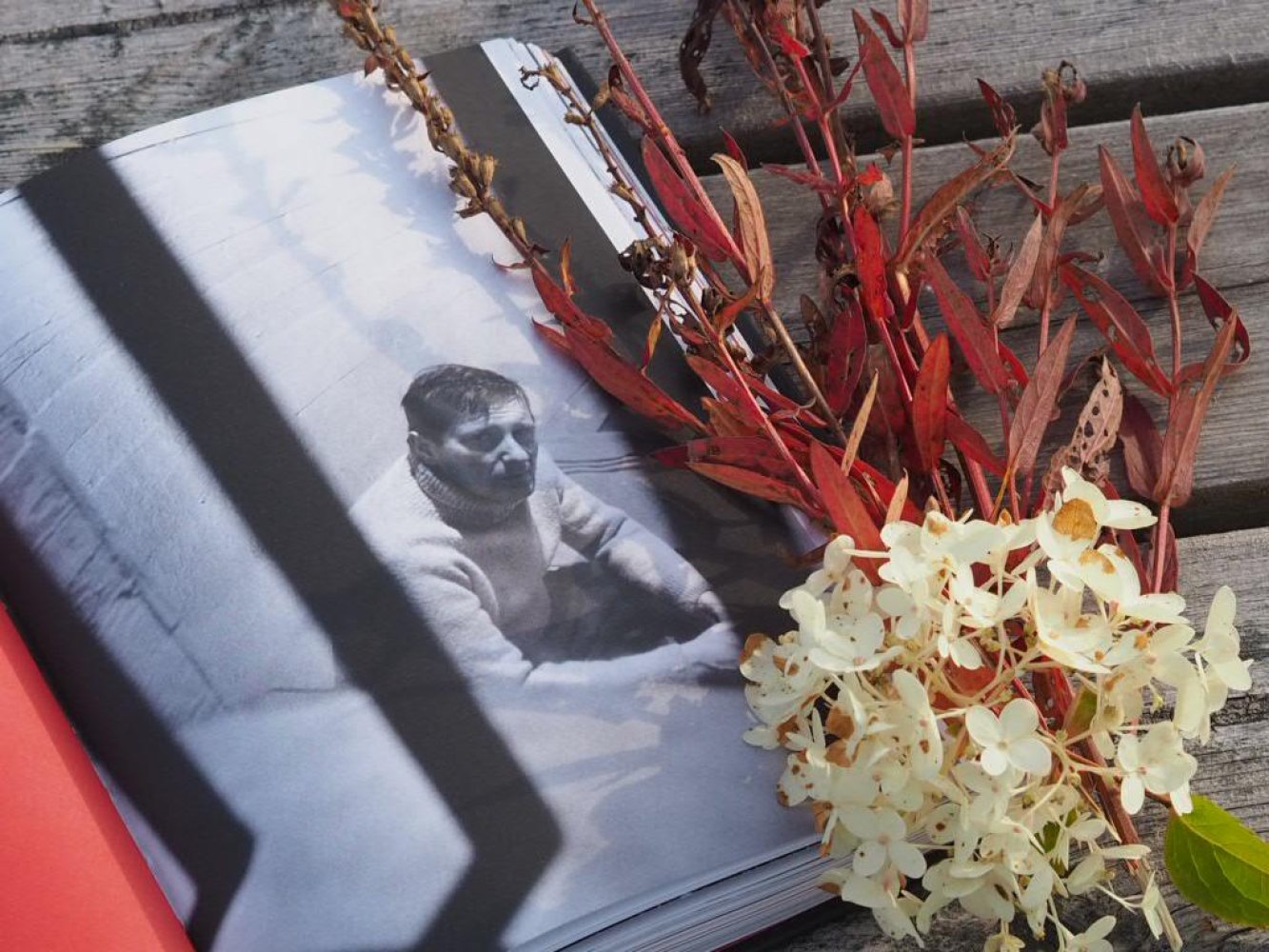
I hadn’t guessed what kind of journey I was embarking on when I got my hands on the biography about Mikko Niskanen Mikon matkassa. The work, published in 2019, was written by Marjo Steffansson, editor-in-chief of Äänekosken kaupunkisanomat. Echoes of Mikko Niskanen’s name can be heard in many places in Äänekoski, but to me Niskanen was fairly unknown before this summer.
I jumped into Mikko’s journey around the time of the #hiddenaanekoski hunt in July, when I hid the Äänekosken kaupunkisanomat prize, and together with Marjo Steffansson we plotted to place the prize in a Mikko-related spot in Konginkangas. In addition to our hiding plot, we had an enthusiastic discussion about Niskanen. Marjo Steffansson told stories about him so skillfully that I had to read the entire book.
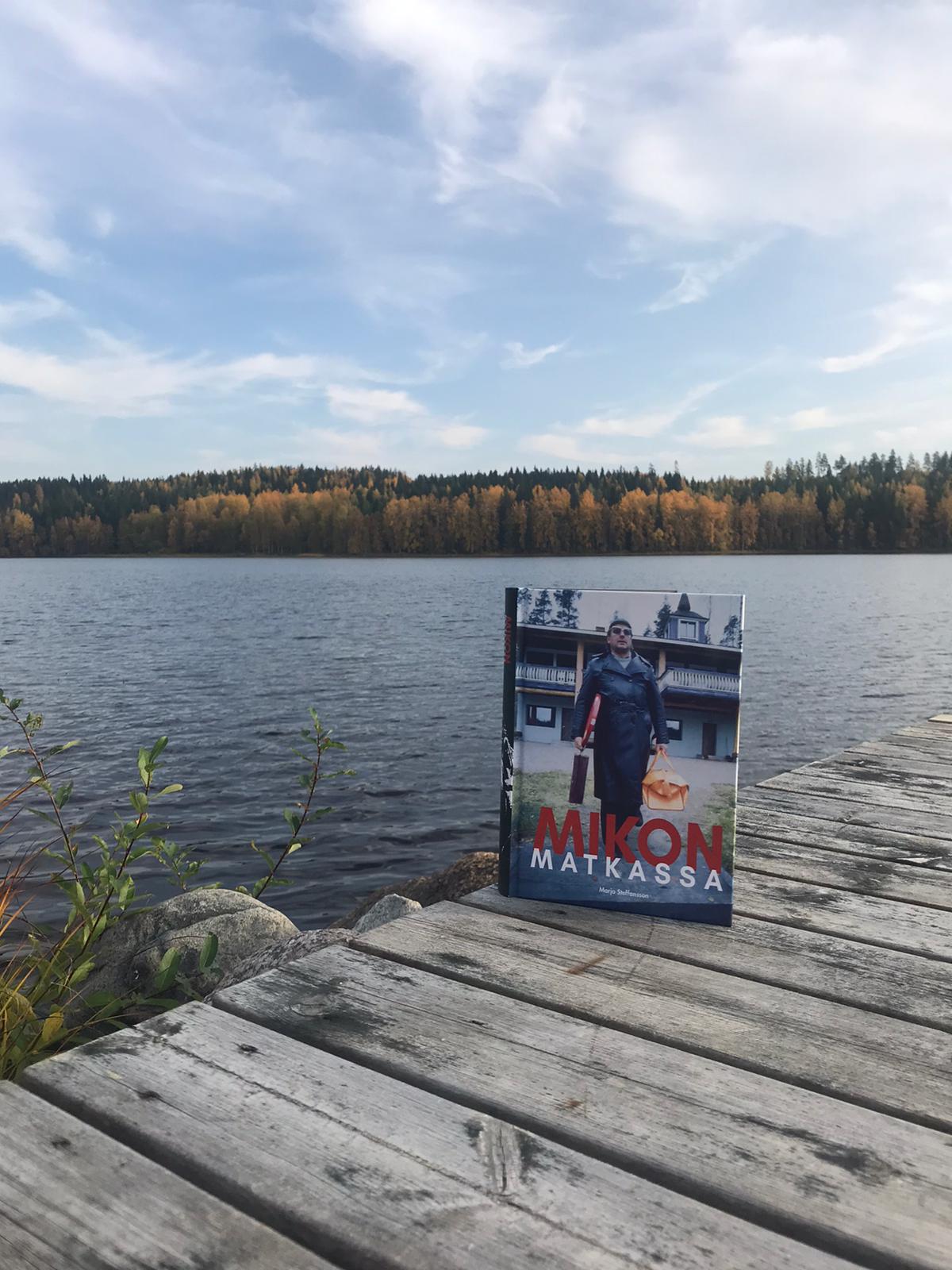
Mikon matkassa is a look at Niskanen’s life and films. Steffansson’s text swept me along, as she portrays Mikko’s angular personality with great skill. She draws such a precise character portrait that Niskanen started to feel almost familiar and alive. I also noticed that at some point I began speaking of Niskanen quite informally simply as Mikko. Mikon matkassa also reveals how much the actors who worked under Mikko’s direction still appreciate him. Niskanen seems to be almost better known and more highly regarded elsewhere than here in his home region.
Mikon matkassa is a biography full of wonderful stories about a man who lived and made films without caring about others’ doubts. Niskanen’s visions carried far, and the films have gained cult status. On the pages of this work you’ll learn, for example, how Sinua, sinua rakastan relates to Mikko Niskanen, what happened to one of Niskanen’s Jussi statuettes, or what kind of building project Käpykolo was.
I commute to work by bus through Liimattala on many days, so I travel through the landscapes of Mikko’s childhood and of several film scenes. The biography often repeats Mikko’s quest for authenticity in his films. He chose to have people act in his films who felt the most suitable, whether they were trained actors or not. The filming locations were also selected for their fit. That sometimes meant sizeable tasks for the set designers. Both actors and locations were often found in landscapes familiar to Mikko. Central Finland was important to him, and he often longed for home when abroad. That homesickness and love for one’s home region feel recognizable to me, too, as they are why I moved back to Central Finland this summer. I notice myself savoring these regions a lot precisely because they are so familiar and overwhelmingly beautiful compared with anywhere else.
Over the long reading stretch, a precise and intriguing portrait of Mikko emerged, but I still haven’t watched his films, and the portrait of the master director is still incomplete in that respect. It feels downright shameful. On the next rainy day, I think I’ll curl up in the corner of the sofa to watch Kahdeksaa surmanluotia.
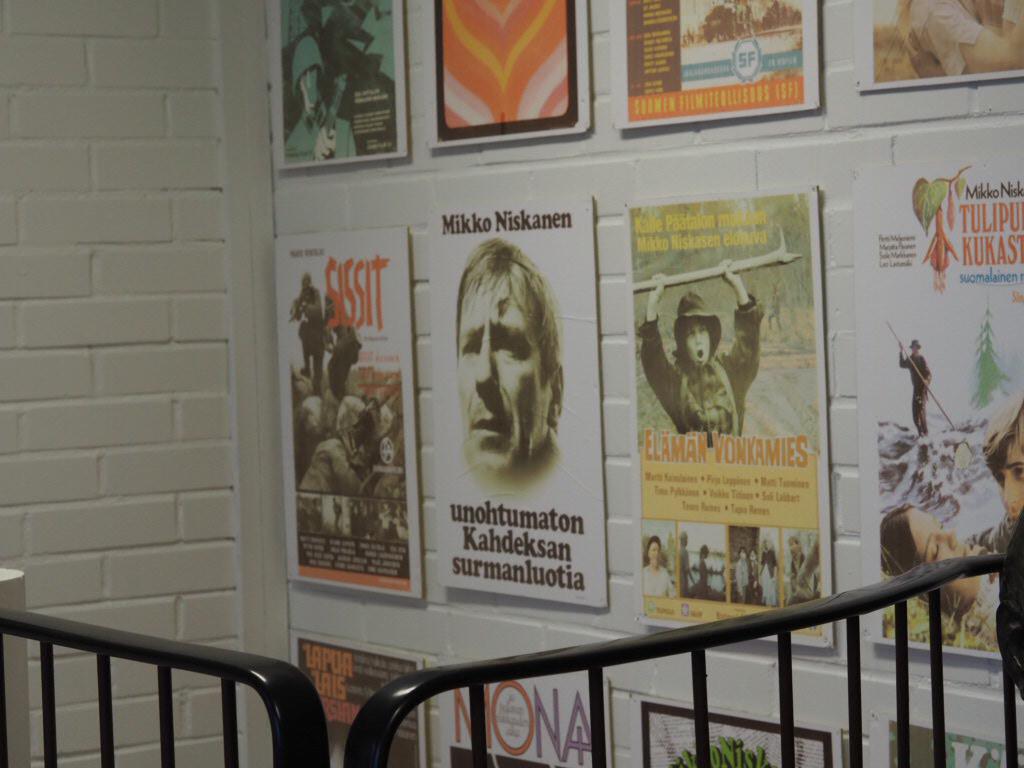
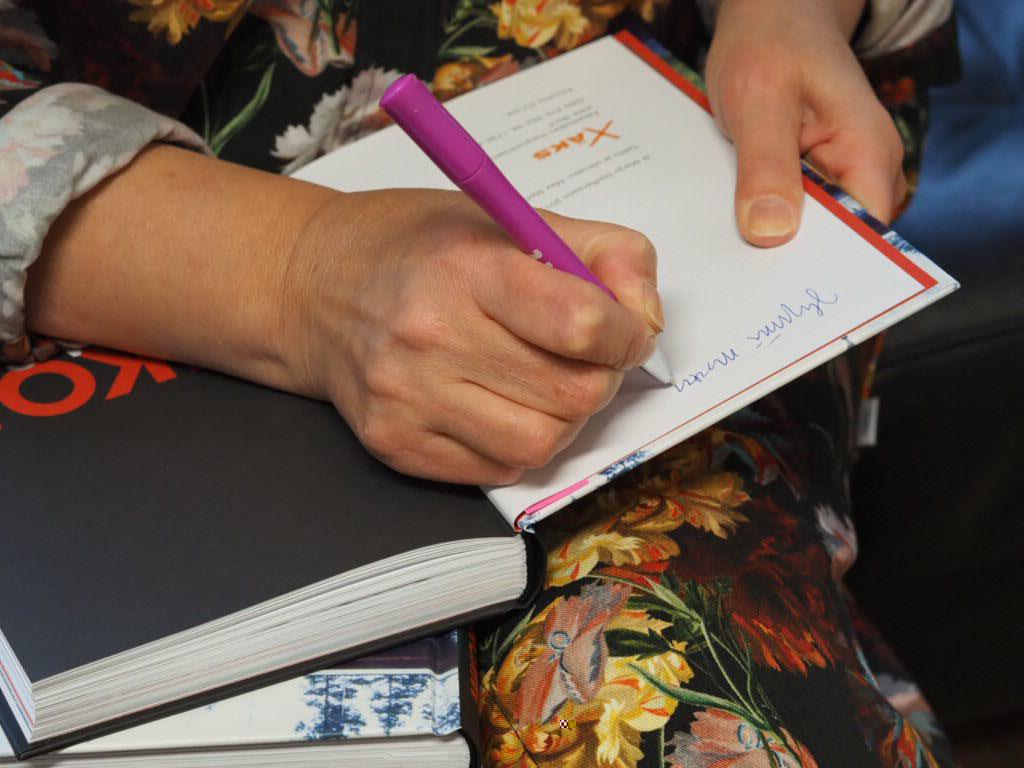
Summer turned to autumn while walking this journey with Mikko. Mikko’s memory remains lively and charming within these book covers. Thanks for preserving these memories go to Marjo Steffansson, who, in addition to writing this work, has collected photos and objects related to Mikko’s life into a permanent exhibition at the premises of Äänekosken kaupunkisanomat.
“Only my memories are left to me now/ The leaves turn yellow, it is autumn” is sung in the song dear to Mikko, Laulu Dnjeprille. This text’s title also refers to the same song.
A very happy name day, Mikko. May your legacy live long, especially here in your home region!