
Bird Watching and Bird Towers - Spot the Spring Migrants
Kimmo Tuikka |


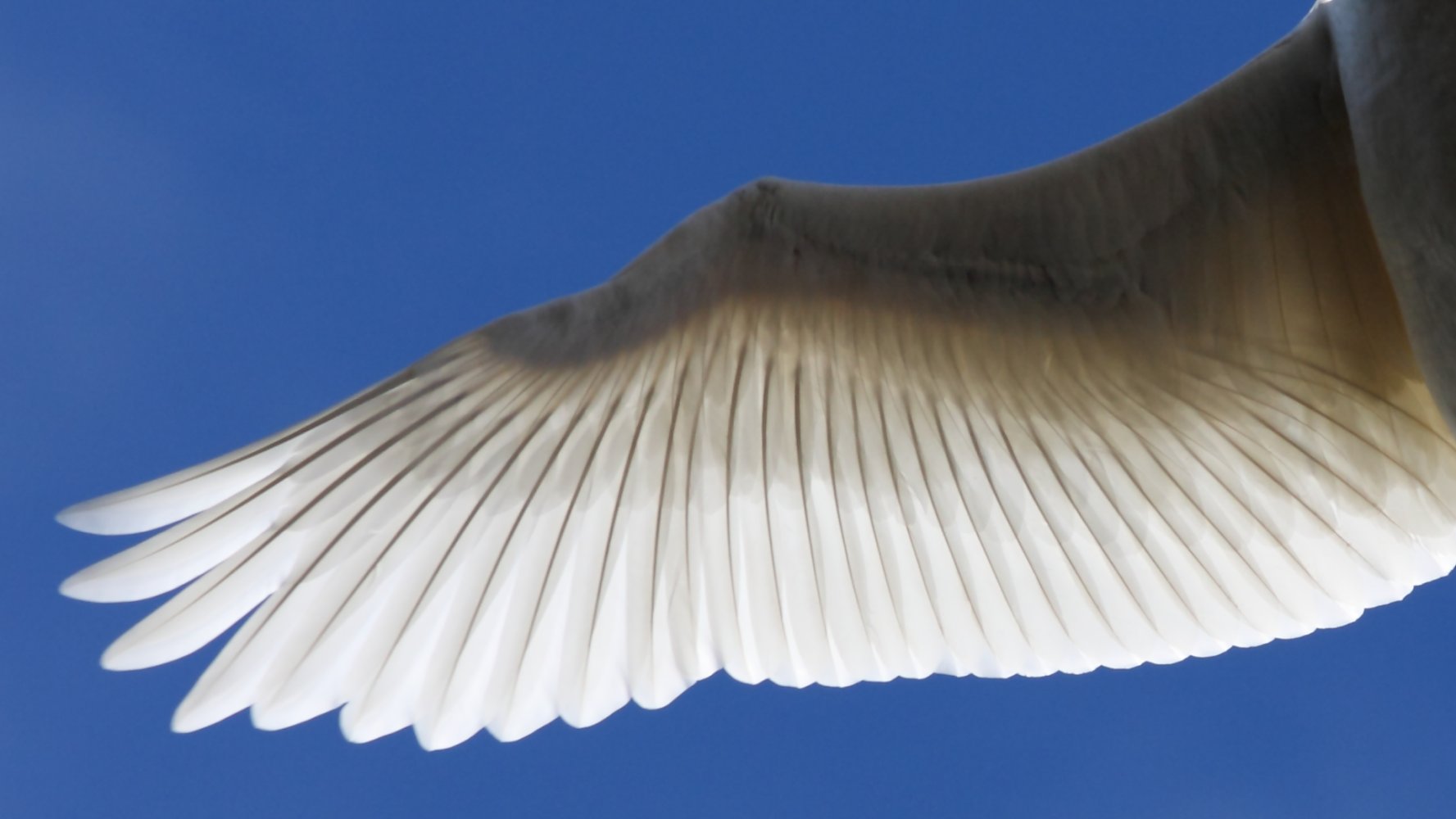
Spring is advancing and birds are returning from their wintering grounds. After the quiet winter, mornings are full of new sounds. The first arrivals often gather by the water and in the first snow-free spots, where they can find food. Bird enthusiasts should head there too to follow the progress of spring.
Bring your binoculars and get out into nature
In Äänekoski there are easily accessible spots well worth visiting with binoculars. Right in the middle of the town area runs a water route that stays open all winter, from Keitele via Äänejärvi to Kuhnamo. You can start a walk or bike ride from Mustaniemi harbor. From the shoreline pedestrian and cycle path you have a good view of the water, and you can continue to the Häränvirta bridge, detouring from below the cemetery to Rantapuisto.
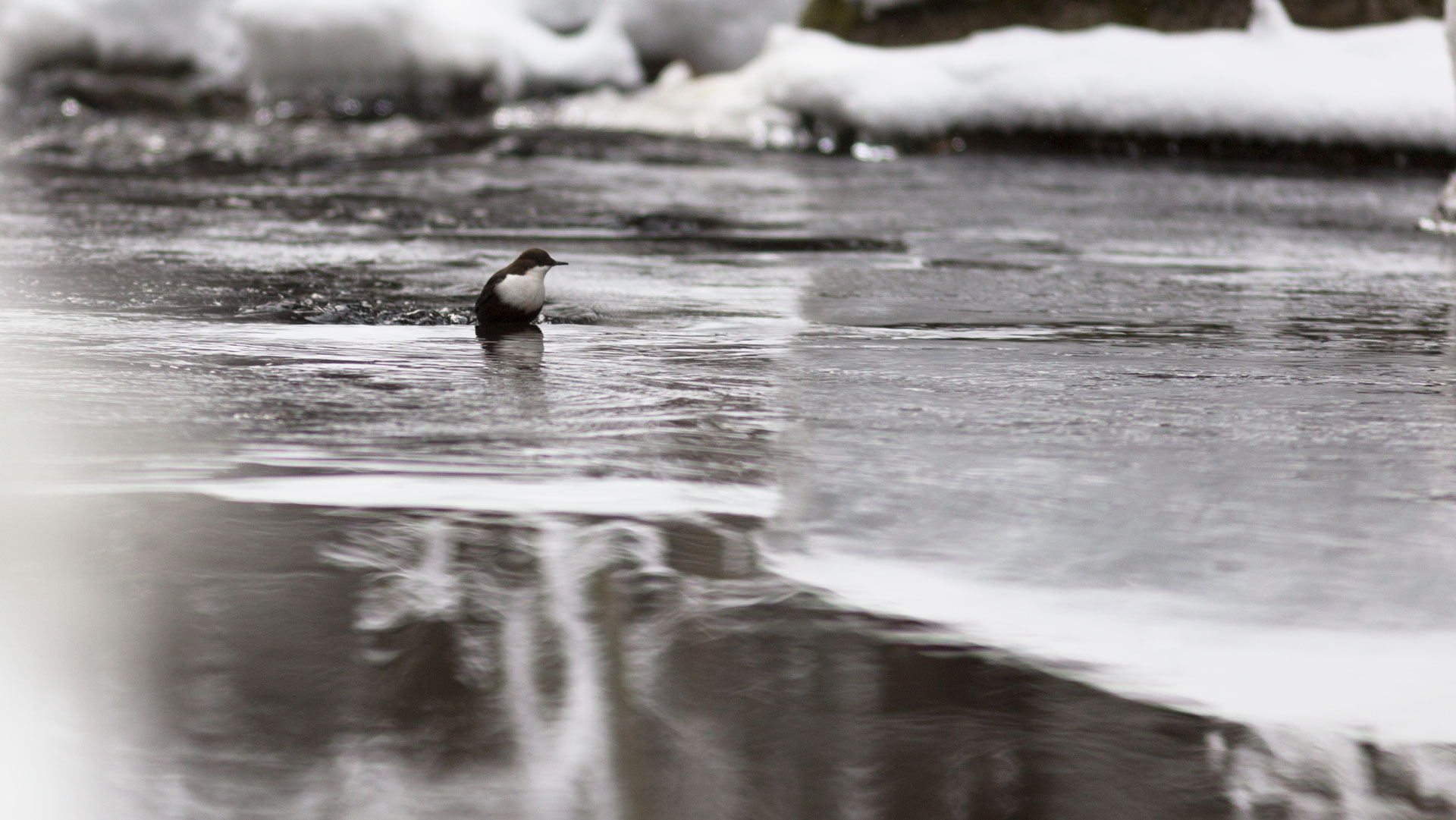
Pause to listen to birdsong
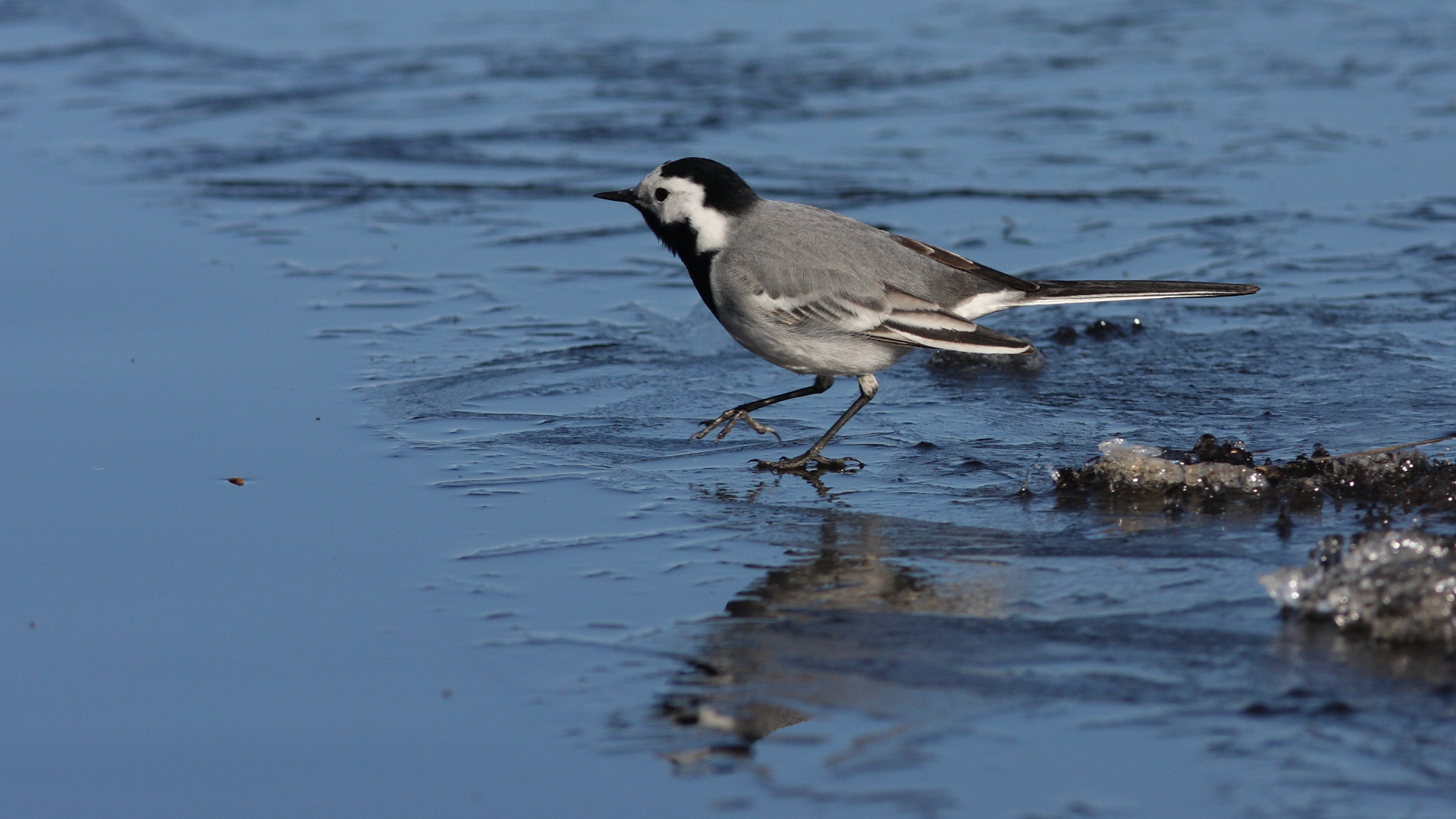
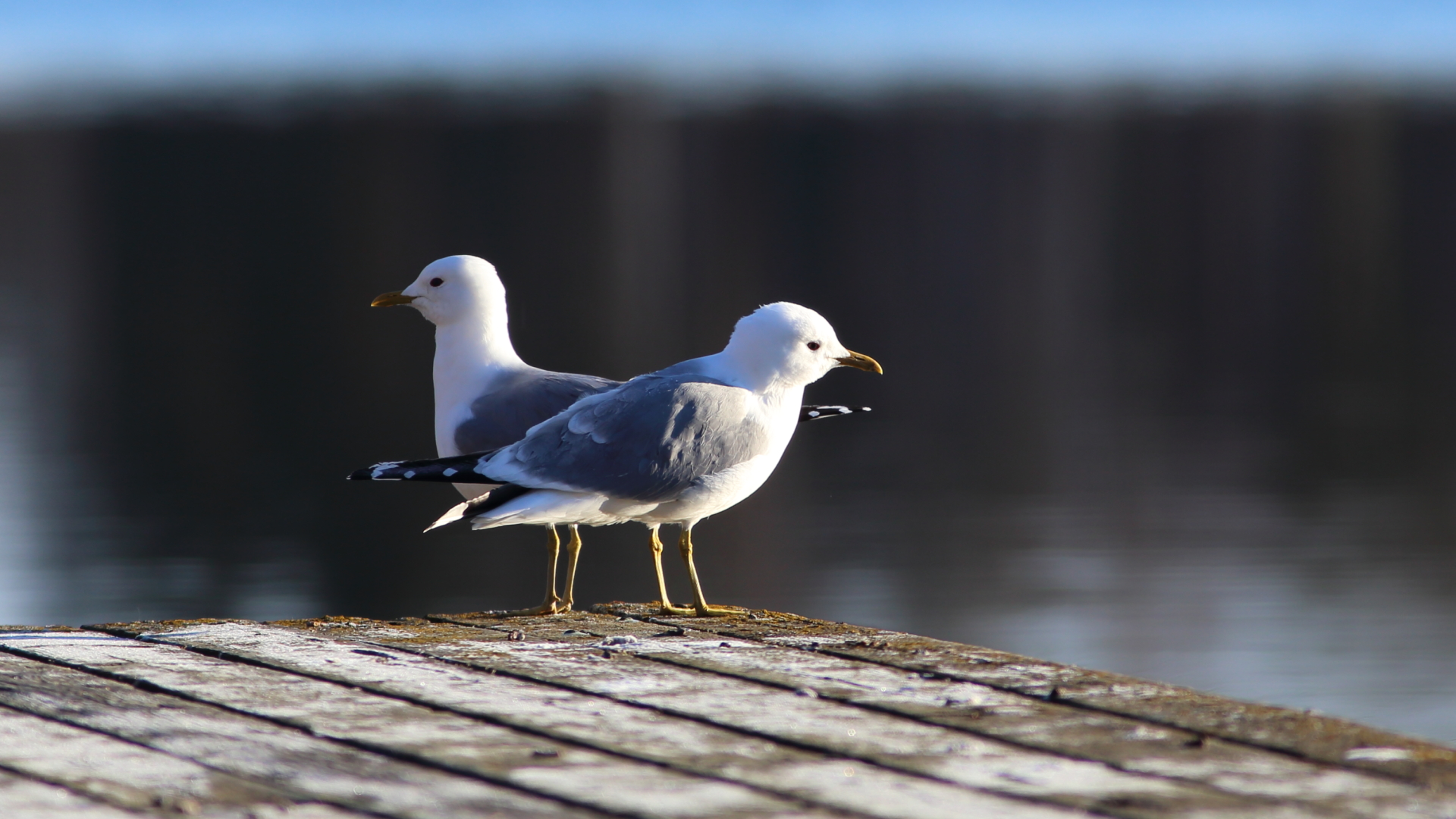
As you go, listen for the birds in the shoreline deadwood park grove, where the chaffinch is the most numerous and an active singer. Early in spring you can typically spot, for example, whooper swans, common goldeneyes and mallards on the water. Along the ice edge you may see common and black-headed gulls resting, and white wagtails searching for food by the water’s edge.
You can continue along the shore under the bridge below the Art Museum toward the tip of Piilolanniemi, where the current keeps Kuhnamo ice-free. In addition to the previously noted waterfowl and gulls, you can add northern lapwings standing at the ice edge to your list, and with a bit of luck, local specialties: Eurasian oystercatchers. Despite their maritime name, they settled to breed in the factory area decades ago and have since spread to nearby open shores. The oystercatcher is a black-and-white wader about the size of a crow with a carrot-colored bill, so it’s easy to recognize.
In Piilolanniemi, keep your ears open as there’s a good chance to hear the beautiful song of the striking black-white-yellow-red European goldfinch. “Ti-ki-lit, ti-ki-lit” is the species’ easily recognizable call, which also gave the bird its name. The scarce lesser spotted woodpecker also favors Piilolanniemi’s old deciduous trees, where it gives sharp calls and drums vigorously on its territory.
The rush of rapids, open-water spots and open fields
If you want to go a bit farther from the town to look for the first open-water patches, Kapeenkoski and Naarakoski are great destinations. Both have a lean-to shelter and a campfire site, where you can enjoy snacks and birdsong by the fire, accompanied by the sound of the rapids.
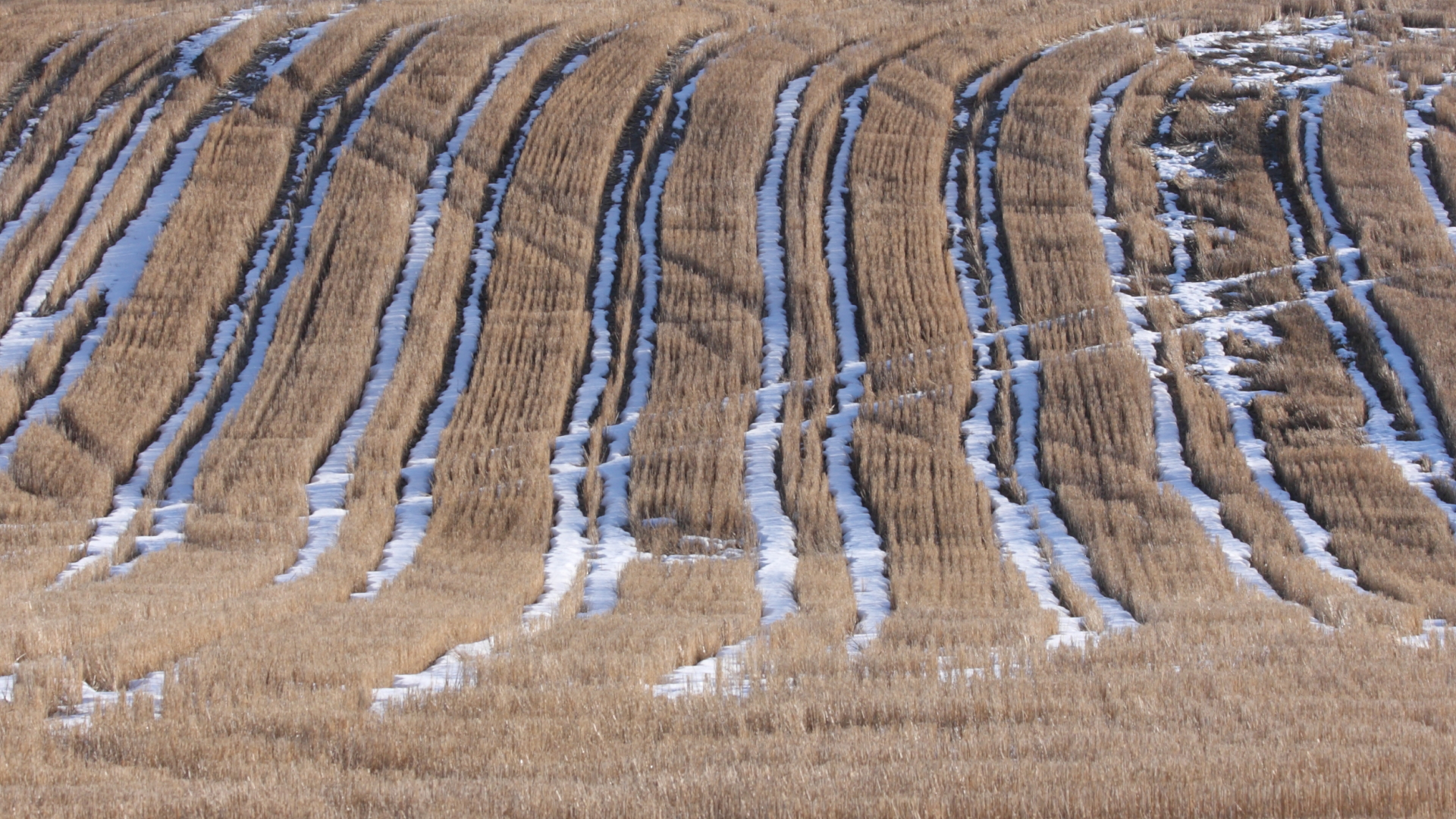
In addition to open water, migratory birds begin to gather on broad fields where the first snow-free patches appear. Snow buntings, northern lapwings and skylarks are among the first arrivals. As spring progresses and the snow melts, Eurasian curlews and thrushes, as well as geese, join them.
Among geese, the most common in the fields of this region are bean geese, which pause to wait for northern breeding areas to be freed from snow. Among the geese grazing on grass revealed from under the snow, you may also see barnacle geese and tundra bean geese heading for the tundra along the Arctic Ocean coast.
Well-known field birding destinations include Paatela between the urban areas of Äänekoski and Suolahti, as well as the wide open fields of Liimattala, Koivistonkylä, Honkola and Hietama. At all of these, it’s possible to watch birds from the road without disturbing them. Birds tired from their long migration should be given peace to feed and rest.
Melting ice attracts a diverse range of bird species
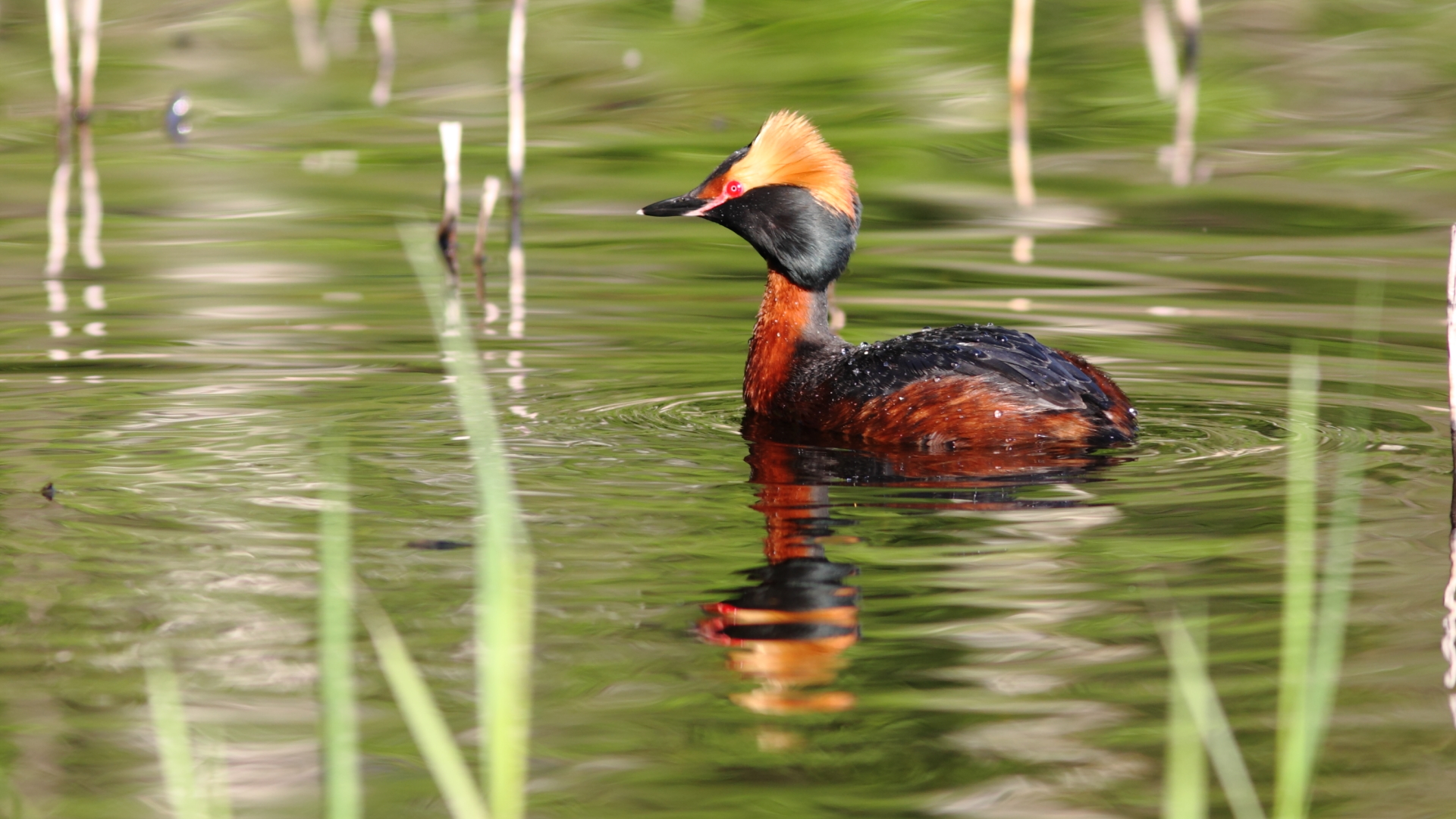
On rich, shallow lakes, the ice begins to melt in late April. Aquatic life that has overwintered under the ice becomes active, and birds head there for the abundant food. These lakes have some of the most diverse birdlife and are special habitats for nature in general. Alongside the more common ducks arrive species specialized in rich bird lakes, such as tufted duck and common pochard, as well as black-necked grebe. Among gulls, the dark-headed black-headed gull and little gull are typical breeders in the marshy edges of rich lakes.
Popular birdwatching towers
Bird towers have been built at popular spots to guide visits and make birdwatching easier. In Äänekoski, three towers are favorites with birders: Äänemäki Scenic Tower and the towers by the two bird lakes in Sumiainen, on the shores of Kalajärvi and Pyhäjärvi.
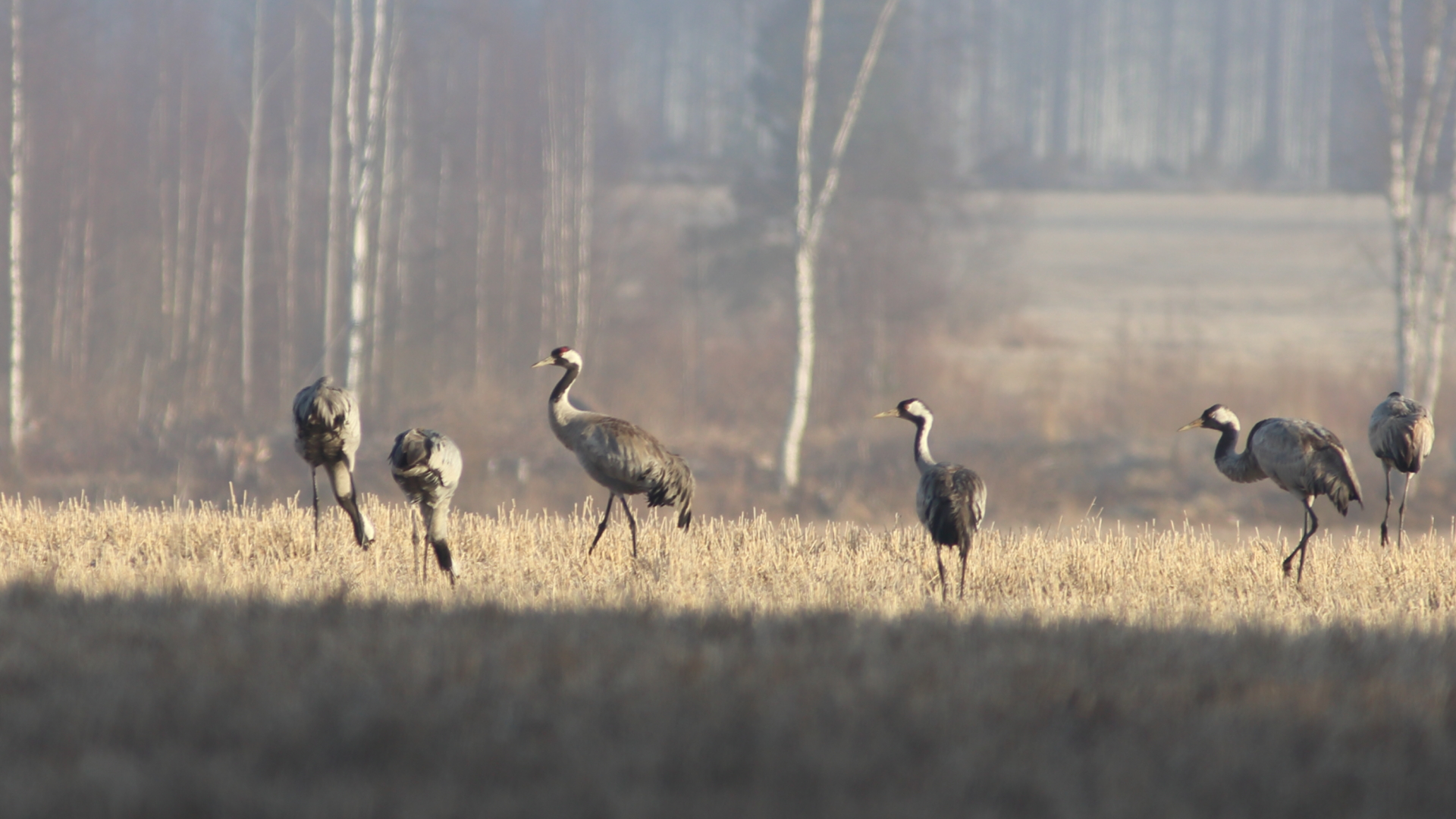
The Äänemäki tower is clearly the best for following migrating birds. Views open to the north, so especially in autumn it’s possible to see large flocks of cranes and geese, as well as birds of prey, traveling south. In clear weather you can see very far from the tower: with a spotting scope, crane flocks have been seen passing above the town of Saarijärvi to the west—at a distance of 30 kilometers!
There are signs to the Kalajärvi tower from the road out of Sumiainen toward Hytölä. Kalajärvi is a rich, partly field-lined small lake with a diverse breeding bird community. From the tower on the lake’s east shore you can spot plenty of waterfowl, especially in spring. The reedbeds host, among others, the great bittern, whose foghorn-like booming is often heard when visiting the tower. The sound is like someone blowing across a bottle and, in calm weather, can carry for many kilometers. If you wait patiently at the tower, you may also see up close the large western marsh harrier flying over the reeds; it, too, favors Kalajärvi.
To reach the Pyhäjärvi tower, drive from Sumiainen past Rautionmäki almost to the Konnevesi border, then turn as the sign directs onto Halttusentie, from where a sign points between the fields toward the shore and the bird tower. Boardwalks lead to the tower, which has an open view over the shore marshes and the water. Pyhäjärvi attracts plenty of waterfowl especially during migration, and the breeding species include several pairs of cranes. The lake is large, so there is also a bird tower on the opposite shore in Konnevesi.
Pyhäjärvi is shallow and partly overgrown. Over the years it has been restored by dredging. A project is now underway to restore the lake’s catchment area to reduce the amount of eutrophying nutrients entering the lake. Wetlands are being dug in forest ditches and along the shore to trap the nutrient-rich sediments carried by runoff. At the same time they can provide new habitats for organisms that thrive in wetlands and enrich local biodiversity. Hopefully the lake’s condition will improve, and in the future we can continue to enjoy observing nature and birdlife there.