
Keitele Museum - A Forgotten Treasure
Keitele Museo |


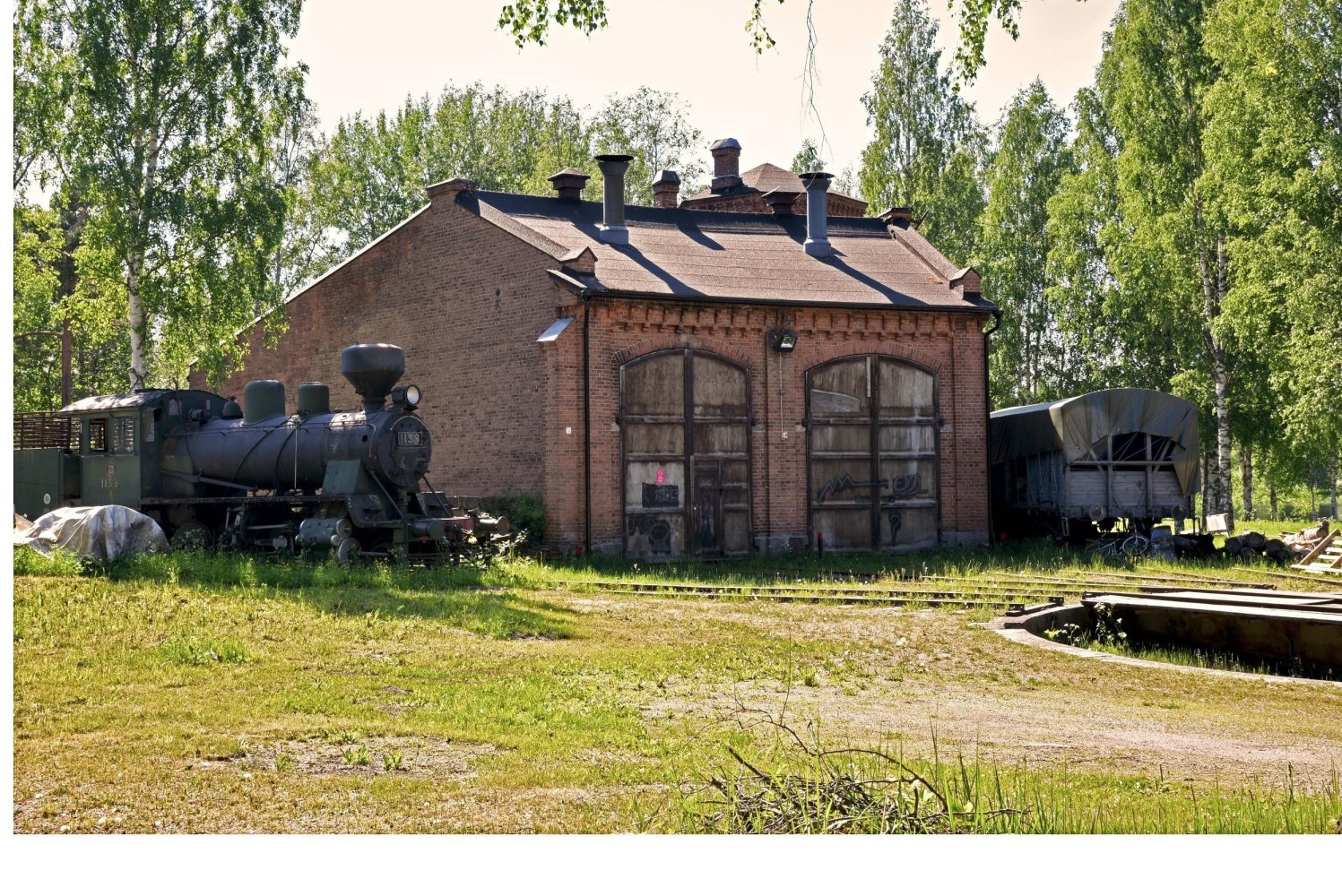
Keitele-Museo is an operational specialist museum located in Suolahti, preserving the railway heritage of the Lake Keitele area and the Suolahti region. Keitele-Museo collects and restores old railway rolling stock and keeps it operational through volunteer efforts.
Its most visible activity is museum train trips, which are organized throughout the summer. The trips mainly use the diesel multiple unit nicknamed Lättähattu, but some journeys have also been made with other rolling stock. In addition to museum train trips, Keitele-Museo, in cooperation with other partners, organizes events and open-door days, when you can take a closer look at the engine shed area and facilities. At many events, you can also try riding a three-wheeled handcar!
Keitele-Museo differs from traditional museums, as it is primarily an open-air museum where the exhibits are not only on display, but are still used to some extent. The museum has a large rail yard with a combined track length of just over three kilometers. The yard also has a connection to the national rail network. The Wanha Asema rail yard is a rarity, as waterway, road, and railway all meet there. Among the rolling stock are some unique vehicles not currently found in any comparable museum in Finland. In addition to the yard, the museum area includes an engine shed completed in 1898 and the turntable in its yard, the buildings of the shed area, as well as the Suolahden Wanha Asema, also opened in 1898, and a new rolling stock hall completed in 2020.
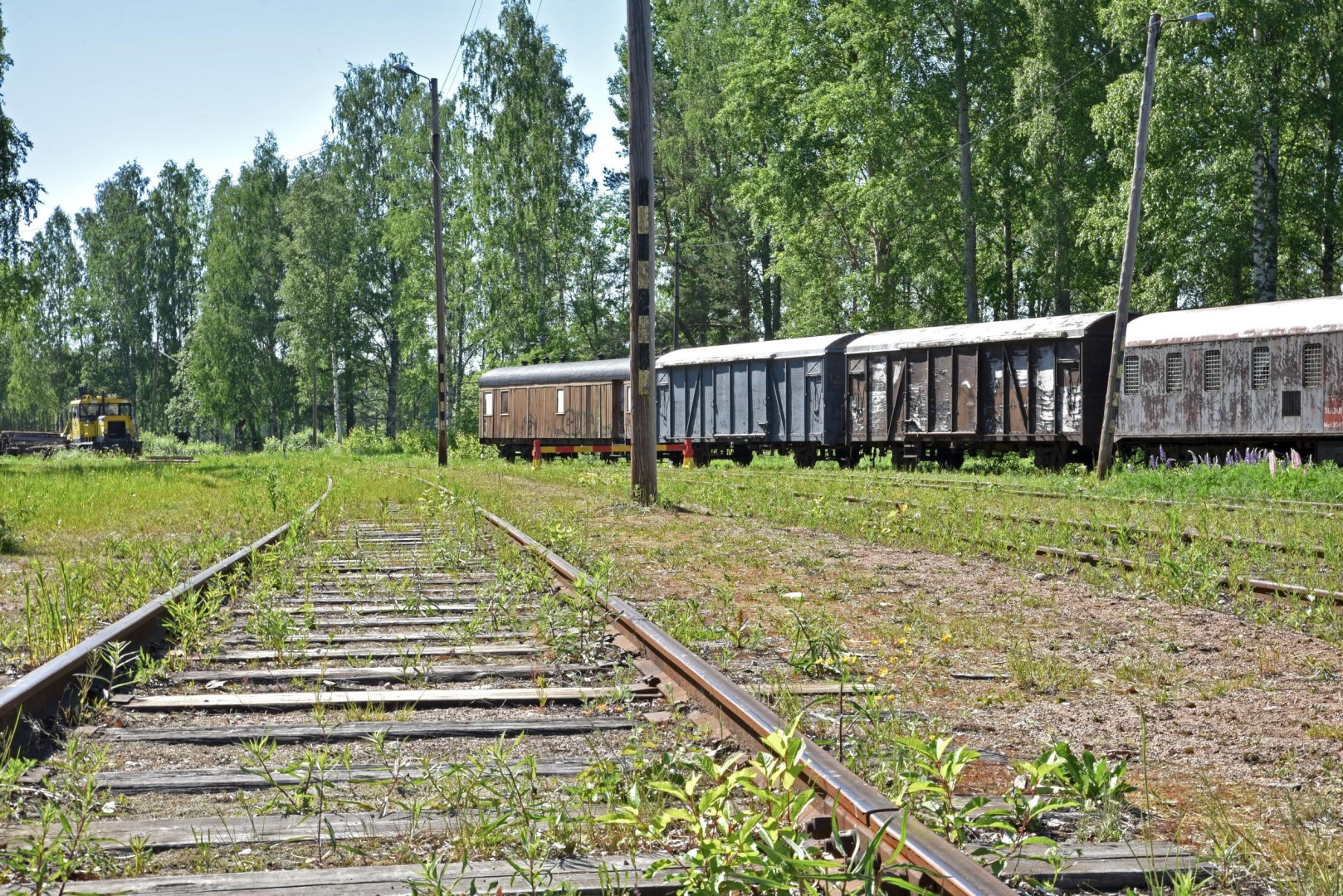
Keitele-Museo’s rail yard is Finland’s largest and the only private museum rail yard with a connection to the national rail network.
Keitele-Museo was founded in 1984 and has been operating since 1988. The museum’s train operations began when Lättähattu services between Jyväskylä and Äänekoski ended in 1987. The then city of Suolahti bought a few carriages from the last Lättähattu that ran on the route; they are now the museum’s most important and best-known rolling stock. Later, the Lättähattu was joined by other units, including a steam locomotive, a postal car, and, most recently, a track inspection car. In the early days, the museum also ran a café in a railcar.
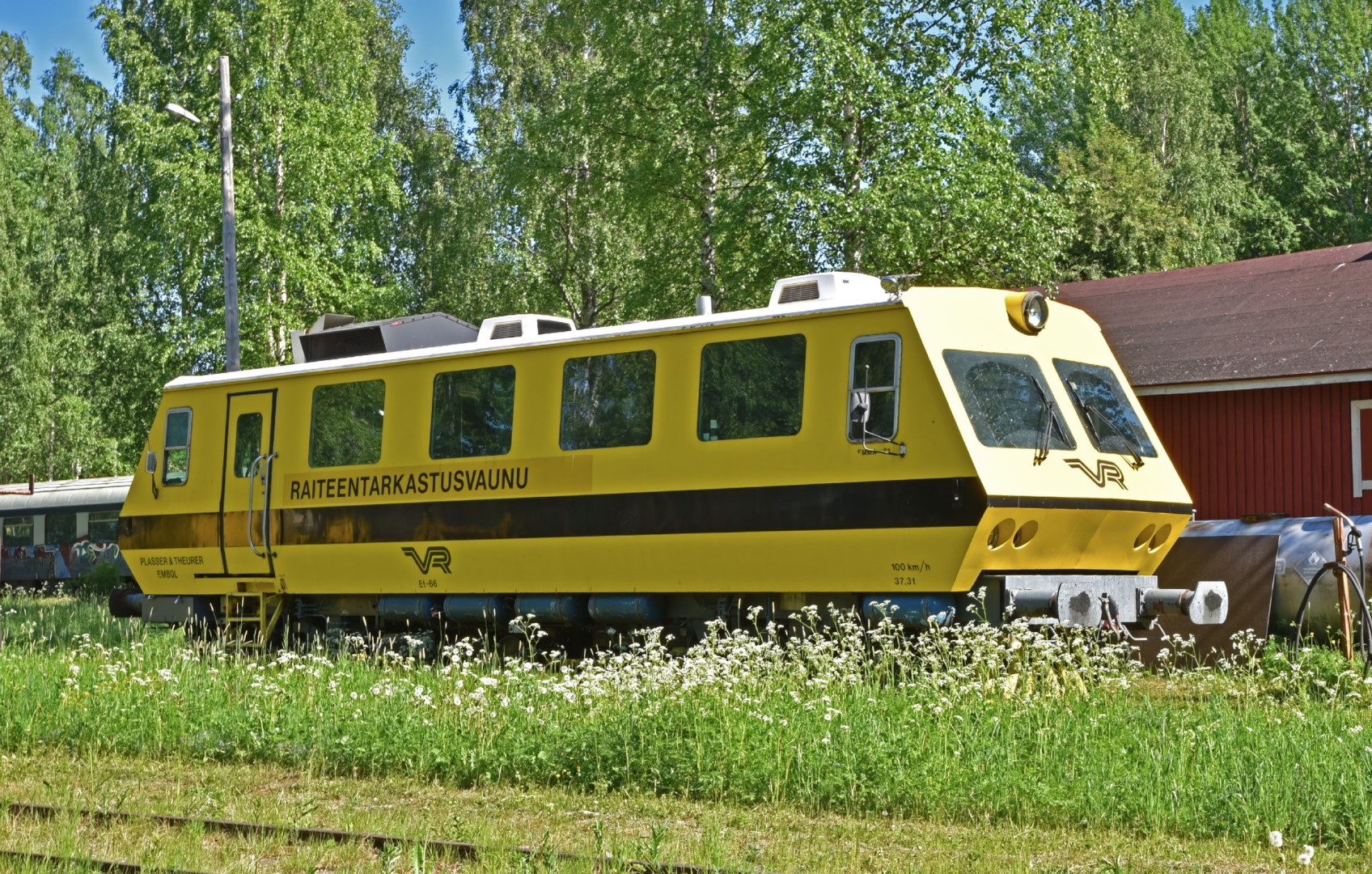
The museum’s newest arrival, the track inspection car.
Keitele-Museo has made train trips around Finland and even as far as Petrozavodsk. The 1994 trip to Petrozavodsk with the Lättähattu was historically significant, as the Lättähattu was the first Finnish passenger train to travel to Russia in over 40 years. Another particularly significant year in the museum’s history was 2004, when the museum’s steam locomotive Tk3 1150 was in Joensuu for the filming of the movie Koirankynnen leikkaaja, directed by Markku Pölönen. That same year, about 50 photographers from around the world came to photograph the steam locomotive. In 2017 the steam locomotive also took part in the Evakkojuna event. Pro Rautatie ry selected Äänekoski as the Railway Municipality of the Year 2018, partly thanks to the extensive museum train operations.
The Steam Festivals were a large, nationally visible event in which Keitele-Museo participated. The Steam Festivals featured steam machinery from as far away as England, and in the second year the event attracted a staggering 30,000 visitors. The 1996 Steam Festivals were the largest of the four events held. From the capital region, it was possible to arrive at the venue by a steam-hauled train, with sleeper cars for accommodation. About 25% of the visitors came specifically from the capital region. The event showcased steamships, steam trains, and other steam-powered equipment. The program included music, sales stalls, a festive parade, log floating, and a steam locomotive acceleration competition. The Steam Festivals were a unique event on a national scale that put Suolahti on the map.
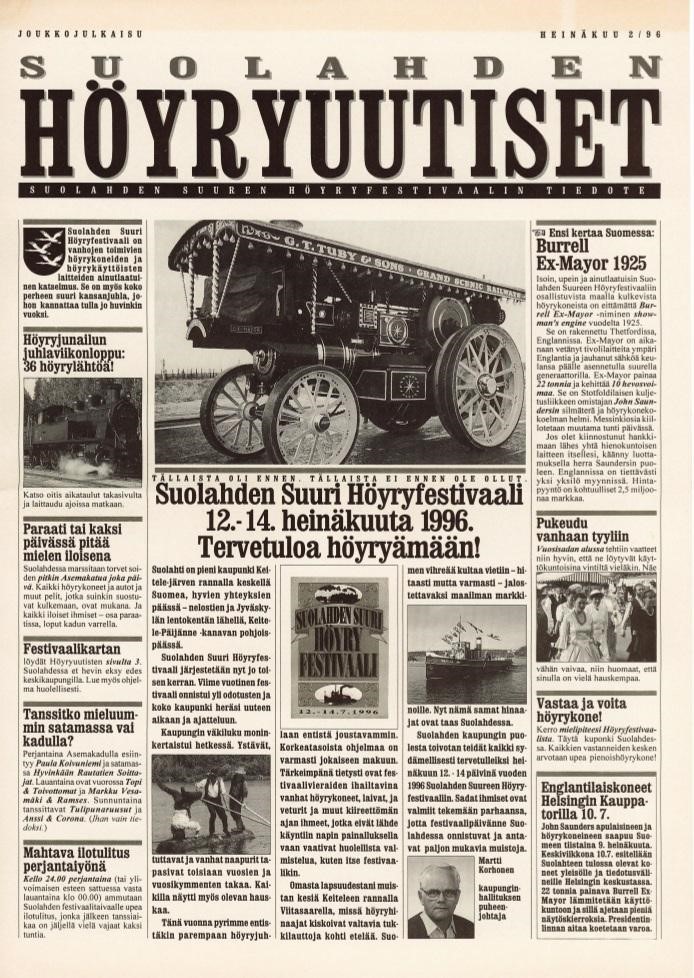
The Steam Festivals were covered, for example, in the Suolahden Höyryuutiset magazine (Photo: Matti Virtanen)
Today, the most important and most visible activity of Keitele-Museo is the aforementioned museum train trips, arranged on request around Finland. Last year there were about 20 runs and a total of around 3,000 passengers. This summer, due to the prevailing situation, the museum is organizing open-door days instead of runs, with more information on the museum’s Facebook and Website.